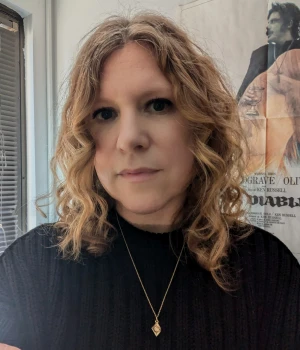
Jocelyn J Szczepaniak-Gillece
Lecture
Thursday, November 5
Elvehjem L150
5:30 PM
Workshop
Friday, November 6
University Club Rm 313
12 PM
RSVP for this lunch workshop by emailing cvcps@mailplus.wisc.edu
Lecture Abstract:
Film spectatorship has long been theorized as a kind of manufactured hallucination, from the early cinematic laboratory of sensation to the apparatus’ delusion of whole subjectivity to the digital’s rupture of indexicality. In my recent book, Movies under the Influence, I argued that a different kind of hallucination – born of the intoxicating substance – has quietly shaped the history of American ideologies in the movie theater and should be understood as one of spectatorship’s material substrates. And the term “hallucination” now carries the weight of its associations with the failures of Large Language Models to perform rigorous research. How can we bring together the long history of spectatorship as hallucination with the amorphous space in which film is most consumed today: the streaming platform?
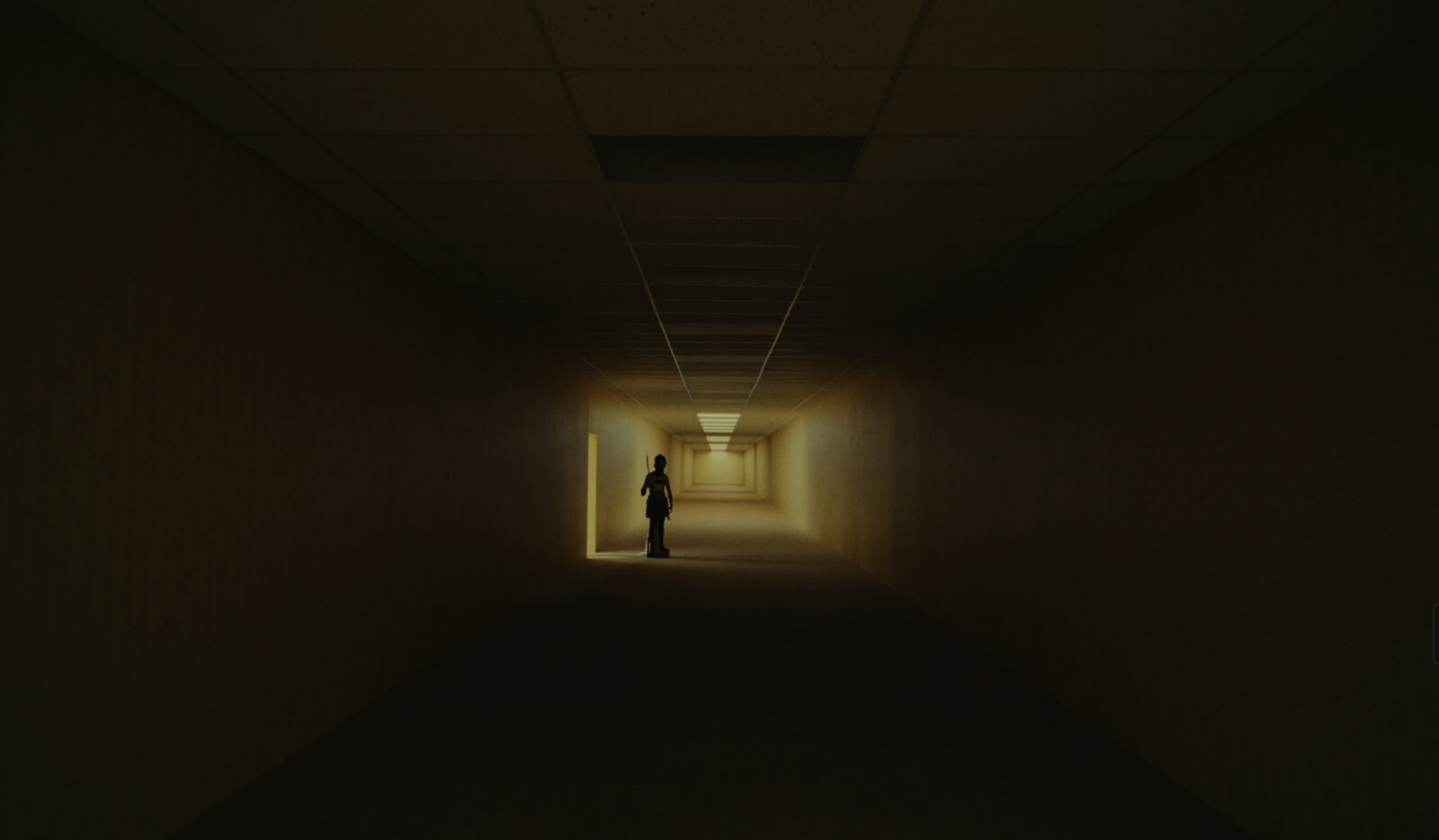
This talk will consider film – particularly cinephilic – spectatorship online, from streaming services like Mubi, Criterion Channel, and Easterneuropeanmovies.com, to ratings sites like Letterboxd, to boutique physical media companies like Deaf Crocodile and Vinegar Syndrome, as well as historical and current American moviegoing patterns to theorize the ways in which selfhood is a primary hallucination of contemporary spectatorial experience. Yet the recent success of horror movies in the theater, from Bring Her Back to Obsession and Backrooms, demonstrates that traditional models of spectatorship are not entirely dead but morphing into something of a hallucination of themselves.If Roland Barthes once fetishized leaving the movies, today we founder with neither entrance nor exit in our own mirrored halls of theatrical detritus.
Workshop Abstract:
As LLMs become more engrained in daily life, something unexpected has happened: style has taken on new value. For good reason, academic work has traditionally had less investment in style. But for humanists today, style and storytelling are ways to resist the machine and invest more deeply in our own critical tools and imaginations. This workshop will consider alternate models, particularly fiction, in an era of flattened prose. We’ll look to objects like Jun’ichirō Tanizaki’s “The Tumor with a Human Face,” Adolfo Bioy Casares’ The Invention of Morel, and Marie NDiaye’s That Time of Year to think about how narrative, imagination, and style have always served as methods of theorization.
Biography:
Jocelyn Szczepaniak-Gillece is a professor of English and Film Studies at the University of Wisconsin-Milwaukee where she serves as Director of Film Studies and Director of Undergraduate Studies in English. She is the author of Movies under the Influence (University of Minnesota, 2024) and The Optical Vacuum: Spectatorship and Modernized American Theater Architecture (Oxford University Press, 2018), and the co-editor of Ends of Cinema (University of Minnesota, 2020), as well as numerous articles and essays. She is also a Bram Stoker Award-nominated writer of strange, surreal, and horror fiction.